Technical User Manual Translation: 7 Common Challenges
 July 20, 2026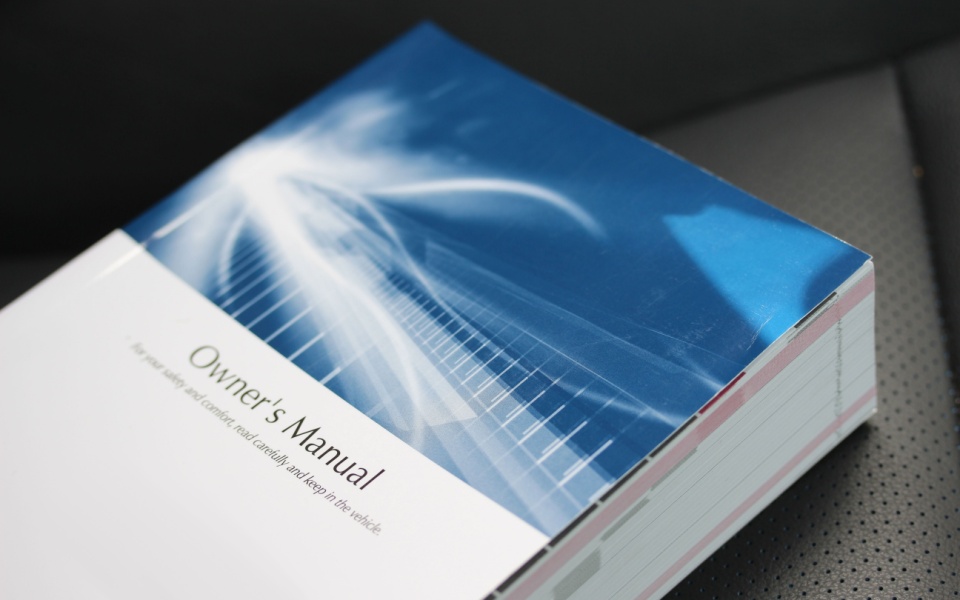
Technical user manual translation is an essential task in our increasingly globalised world, where companies frequently operate across multiple countries and markets. These user manuals, whether for machinery, software, or specialised equipment, contain highly detailed instructions that must be translated accurately for use by international audiences. However, translating technical manuals presents unique challenges that go beyond basic language translation. This article explores the specific hurdles involved in user manual translation and why precise and culturally accurate translations are critical for businesses.
1. Specialised Terminology
One of the primary challenges of technical user manual translation is the use of specialised terminology. Technical manuals often contain industry-specific terms that may not have direct translations in the target language. For example, terms used in engineering, IT, or medicine can vary greatly across different languages and regions.
- Challenge: Understanding complex jargon: Translators must not only be fluent in the source and target languages but also deeply familiar with the technical field in question. Misunderstanding or incorrectly translating a technical term can result in improper use of the product or equipment, leading to safety risks or product malfunctions.
- Solution: Expert translators: It is essential to work with technical translators who have the expertise and a clear understanding of the industry-specific terminology. A thorough knowledge of the subject matter ensures that user manual translations remain accurate and appropriate.
2. Consistency and Standardisation
Maintaining consistency throughout a technical user manual is another challenge, especially when translating long or complex documents. If terminology and phrasing are inconsistent, it can confuse the end-user, diminishing the document's clarity and usefulness.
- Challenge: Inconsistent terminology: If user manual translation uses different terms to describe the same part or process, it can lead to confusion or misuse of the equipment, compromising safety and efficiency.
- Solution: Glossaries and Translation Memory: To ensure consistency, translators often create glossaries and use translation memory tools. These tools allow translators to store previously translated terms and phrases, ensuring that the same language is used consistently throughout the document and across different translations of related materials.
3. Cultural and Regional Differences
Technical user manuals are often used in different countries, meaning that cultural and regional differences must be considered during translation. Certain phrases, units of measurement, or symbols may not be familiar or relevant to a target audience in a specific region.
- Challenge: Cultural relevance: A technical user manual that works well for a U.S. audience may not be appropriate for an audience in Japan, due to differences in measurements, regulatory requirements, and even how instructions are typically formatted.
- Solution: Localisation: Localisation goes beyond translation to adapt the manual to the cultural and regulatory norms of the target country. This involves modifying content to align with local laws, safety standards, and user preferences. For example, switching from imperial to metric measurements, adjusting diagrams to reflect local industry standards, or altering phrasing to suit the formalities of the local language.
4. Maintaining Technical Accuracy
Unlike general content translation, technical user manual translation leaves little room for creative interpretation. The accuracy of the translation must be exact, as incorrect instructions can lead to improper use of equipment, endangering users or causing costly damages.
- Challenge: Zero tolerance for errors: Even small errors in translation can lead to misunderstandings that have serious consequences, such as safety hazards or equipment malfunctions.
- Solution: Rigorous quality control: Technical translators often work with editors and proofreaders who specialise in technical content to ensure that the translation is error-free. Additionally, some translation teams use a peer-review process where multiple experts review the translation for accuracy before it is finalised.
5. Adapting Visuals and Diagrams
Many technical user manuals contain detailed diagrams, images, or charts that complement the written instructions. Translating the text in these visuals presents a challenge, as the layout and design may need to be adjusted to accommodate the translated content.
- Challenge: Space constraints and format changes: Text in the target language may be longer or shorter than the original, affecting the layout of diagrams or instruction boxes. Certain languages may also require adjustments to fonts or character spacing, especially if the target language uses non-Latin scripts, like Chinese or Arabic.
- Solution: Graphic adaptation: Professional translators often work closely with graphic designers to modify images, diagrams, and charts to match the translated content. This ensures that the visuals remain clear, and the text fits within the design without disrupting the flow of the manual.
6. Regulatory Compliance
In many industries, technical user manuals must adhere to strict regulatory requirements. For example, industries such as healthcare, aviation, and manufacturing have stringent rules for how instructions must be presented. These regulations often vary between countries, so it’s essential that the user manual translation complies with the local laws and industry standards.
- Challenge: Meeting legal requirements: Failure to meet regulatory standards can lead to legal penalties, product recalls, or delayed product launches, particularly in highly regulated sectors like pharmaceuticals or automotive manufacturing.
- Solution: In-depth knowledge of local regulations: Technical translators must have a comprehensive understanding of the regulations and standards in the target country to ensure that the translated manual is legally compliant. This may involve adapting content to meet local safety guidelines or including additional sections that are legally required in the target market.
7. Time Constraints and Deadlines
Technical user manual translation is often required within tight deadlines, especially for product launches or updates that involve multiple countries. Coordinating translation efforts for a large, complex document can be time-consuming, and the quality of the translation must not be compromised due to tight timeframes.
- Challenge: Balancing speed and accuracy: Rushing through a technical translation can result in mistakes, but long delays in the translation process can hold up product releases or updates.
- Solution: Project management and teamwork: Efficient project management is crucial for ensuring that translations are delivered on time without sacrificing quality. Many translation agencies employ teams of translators and proofreaders who can collaborate to meet tight deadlines. Using translation memory tools and glossaries also helps speed up the process while maintaining consistency.
Conclusion
Technical user manual translation is a critical activity that requires more than just linguistic skills. Translators must have technical expertise, an understanding of regulatory requirements, and a keen attention to detail to ensure that the translation is both accurate and culturally appropriate. By overcoming challenges such as specialised terminology, consistency, cultural differences, and regulatory compliance, companies can ensure that their technical user manuals are effective and usable by global audiences. When done correctly, technical user manual translation can help businesses expand their reach, maintain product safety, and enhance user experience across diverse markets.
Here we list some of our industry-specific translations in which user manual translation is involved:
- Machinery translation
- Automotive translation
- Construction translation
- Engineering translation
- Electronics translation
Renaissance Translations is an ISO-certified translation company in Manchester providing high-quality language services for a range of global clients. We have an extensive network of technical translators with translation qualifications and technical expertise. Our company has gained an excellent reputation with positive reviews on several websites such as Trustpilot, GoodFirms, and G2. Contact us today to dicuss your technical translation project.