Unravelling the Power of AI for Translation: An Ultimate Guide
 May 19, 2026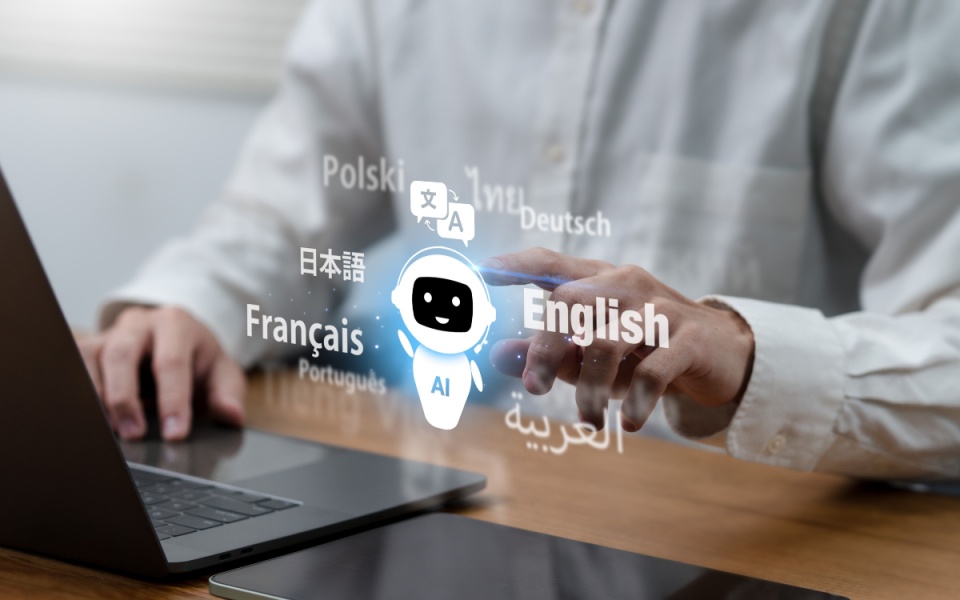
Artificial Intelligence (AI) has revolutionised various industries, and translation is no exception. AI for translation offers faster, more efficient ways to bridge language gaps, making it an invaluable tool for global communication. This ultimate guide explores the power of AI translation services, its benefits, challenges, and how businesses can harness its potential effectively.
What is AI for Translation?
AI for translation refers to the use of machine learning and natural language processing (NLP) to translate text or speech from one language to another. Unlike traditional methods, AI-driven tools analyse vast amounts of linguistic data to produce contextually accurate translations. These platforms demonstrate how AI can simplify multilingual communication in real-time.
Benefits and Advantages
- Speed and Efficiency: AI translation tools can process large volumes of content in seconds, making them ideal for time-sensitive projects.
- Cost-Effectiveness: Businesses save on costs by using AI-powered translation tools instead of hiring human translators for routine tasks.
- Scalability: AI tools can handle projects of any size, from small documents to large-scale localisation efforts.
- Multilingual Support: With support for numerous languages, AI for translation enables businesses to reach global audiences seamlessly.
Challenges and Complexities
While AI in translation offers significant advantages, it also has limitations:
- Lack of Contextual Understanding: AI struggles with idioms, slang, and cultural nuances.
- Quality Variations: Accuracy depends on the quality of the input and the complexity of the text.
- Data Security: Sharing sensitive information with AI tools can pose privacy risks.
How to Maximise AI Translation Effectiveness
- Combine AI with Human Expertise: Pairing AI tools with professional translators ensures higher accuracy and cultural relevance. Human translators can refine outputs by addressing contextual errors.
- Choose the Right AI Tool: Not all tools are created equal. Evaluate platforms based on your specific needs, such as language pairs, file formats, or industry-specific terminology.
- Leverage Customisation Options: Many tools allow users to customise translations by adding glossaries or defining preferred terms for consistent results.
- Integrate AI with Localisation: For businesses expanding globally, integrating AI for translation with professional localization services ensures content resonates with local audiences.
AI Translation vs. Human Translation
AI translation excels in speed and scalability, but it’s not a replacement for human expertise. For creative content, medical document translation, or sensitive materials, human translators provide the nuance and accuracy AI cannot achieve.
Why Choose Renaissance Translations?
Renaissance Translations offers a blend of advanced AI powered translation services and professional linguists to deliver high-quality results. Benefits include:
- Accuracy: Combining technology with human oversight for precise translations.
- Customisation: Tailored solutions to meet your unique needs.
- Confidentiality: Ensuring data security and privacy for sensitive projects.
Conclusion
AI for translation is transforming the way businesses and individuals communicate across languages. By understanding its capabilities and limitations, you can leverage this technology to unlock new opportunities in global markets. For the best results, combine AI tools with expert translators to ensure accuracy, cultural relevance, and quality.
Ready to harness the power of AI translation? Partner with Renaissance Translations for seamless, efficient, and secure translation solutions tailored to your needs.